OUR PROJECT
Small businesses need tailored support, not one-size solutions
Food systems cannot transform without skilled people.
Why EU FOODPACT
Turning sustainability into a practical business driver
The European agri-food sector is at a turning point. EU FOODPACT helps small food businesses, farmers, and education providers move from policy pressure to practical action.
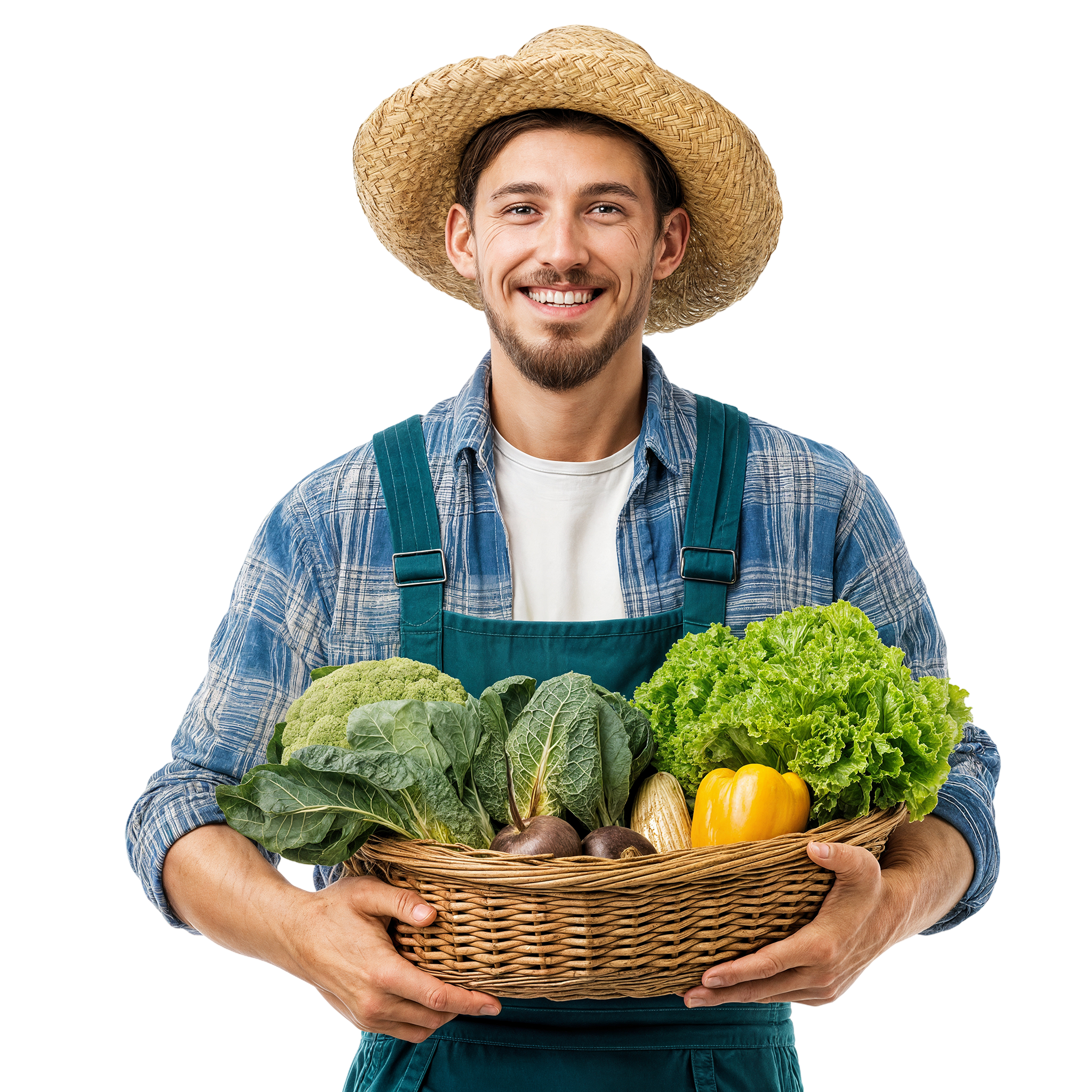
Local action
Practical support for the people transforming food systems.
The European agri-food sector is at a turning point. While the EU’s Farm to Fork strategy sets ambitious green and digital targets, many farmers and small food businesses still struggle to put these changes into practice. According to research by BirdLife (2023), more than 60% of EU farmers do not participate in eco-schemes, and those who do often choose measures that require the least effort.
One of the main reasons is that over 75% of EU farms are small-scale or family-run MSMEs. These businesses often lack the time, resources, and specialised expertise needed to deal with increasingly complex sustainability requirements. As a result, sustainability is too often seen as an administrative burden rather than an opportunity for growth and innovation.
EU FOODPACT aims to change this perception by turning sustainability into a real business driver. The project will establish national Community Food Education Hubs (CFEHs) that act as local centres for guidance, collaboration, and innovation.
60%+
EU farmers outside eco-schemes
75%+
EU farms are small or family-run
CFEHs
Local hubs for practical innovation
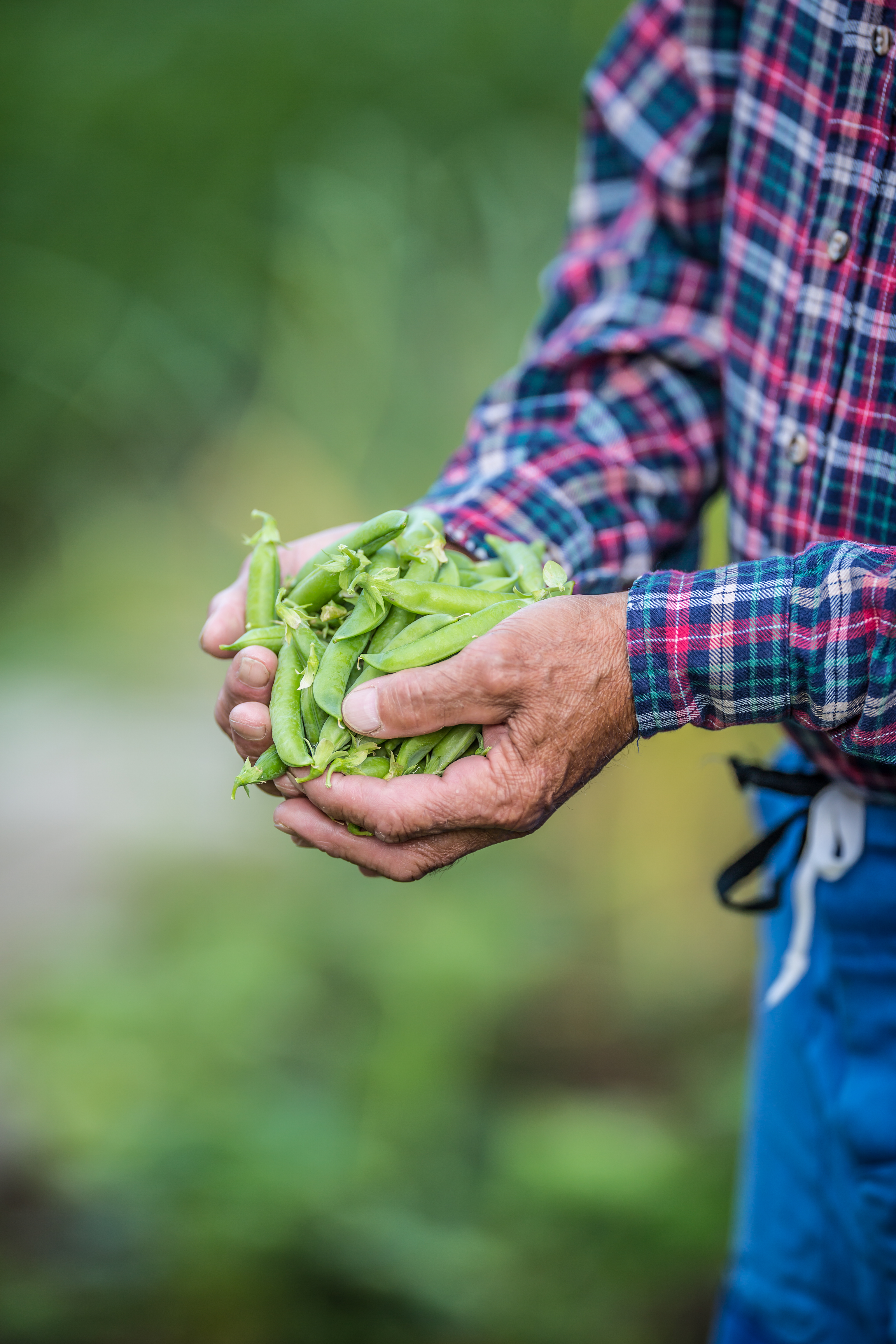
Community Food Education Hubs
These hubs will bring together policy makers, MSMEs, certification bodies, Chambers of Commerce, and educational institutions to create practical, locally driven solutions that help bridge the gap between policy ambitions and day-to-day reality.
Main Objectives
EU FOODPACT main objectives
Leadership Training
Train a new generation of leaders by developing a modern learning programme for business owners and managers. The programme will help them better understand international sustainability standards, such as ISO 26000, and show how green values can become part of a successful long-term business strategy.
Self-Assessment Tool
Create a simple and user-friendly online self-assessment tool that allows both employers and employees to understand their current situation, identify gaps and challenges, and discover practical sustainability solutions they can apply in their everyday work.
Mentorship Programme
Develop a mentorship programme for MSME employees that equips them with the knowledge and confidence to propose and lead greener, more sustainable ways of working within their organisations.
Green Certification Support
Support small businesses in navigating the process of obtaining green labels as well as national and international sustainability certifications.
Education Innovation Hubs
Transform education centres into innovation hubs that actively promote sustainability across the agri-food sector by investing strategically in the training of MSME leaders and employees.
European Collaboration
Strengthen collaboration between MSMEs, education providers, Chambers of Commerce, and policy-makers in order to improve knowledge and technology exchange across European regions, support workforce development, and contribute to building a stronger and more sustainable international food supply chain.
Target Groups
WHO IS IT FOR
Primary Audience
MSMEs Managers/C Level
Empowering agri-food leadership to steer businesses towards sustainable, ESG-aligned models with actionable tools and collaborative strategies.
MSMEs employees
Enhancing employees' green, digital, and soft skills through targeted training to drive operational efficiency and foster sustainable intrapreneurship within the agri-food sector.
Future workers and employees (current VET/HE learners) of agri-food MSMEs
Equipping them with industry-relevant sustainability skills for employability and the green transition through curricula and micro-credentials.
Training providers (VET, HE, adult centres)
Empowering training providers to deliver industry-aligned sustainability education that strengthen sector partnerships.
Certification bodies, chambers of commerce
Aligning certification standards with training programs and MSME challenges to build a streamlined, accessible verification ecosystem.
Policy makers, regional actors and public authorities
Fostering public-private dialogue and aligning regional frameworks to provide supportive policies and funding pathways for sustainable business transitions.
Secondary Audience
European agencies and networks
Building of cross-border synergies to amplify the impact of sustainable initiatives at a continental scale, while providing valuable on-the-ground data to inform future policies and EU funding opportunities.
Educational institutions
Engagement as core stakeholders to foster social inclusion and regional resilience through tailored learning pathways.
Public and private organisations from the agri-food sector
Encouraging cross-sector collaboration to build resilient and transparent supply chains.
Local societies
Ensuring that communities benefit from a healthier, more sustainable, and economically viable food ecosystem.
Ready to Transform Your Food Business?
Join the EU FOODPACT network and lead the change in sustainable agri-food practices.