
The European Green Deal and its Farm to Fork strategy call for a major transformation of Europe's food system. Achieving climate neutrality, reducing chemical inputs, embracing digital technologies, and promoting circular economy practices will require not only new technologies but also a workforce with new skills.
However, today's education and training systems remain highly fragmented. Universities, vocational education, and professional training often focus on separate disciplines, leaving graduates without the interdisciplinary competences that the agri-food sector increasingly demands. While some programmes specialise in sustainable production, others focus on digital technologies or business management, but few successfully combine these areas..
This skills gap is also visible in the workplace. Experienced professionals often have valuable practical knowledge but limited digital skills, while younger workers are familiar with new technologies yet lack expertise in soil health, biodiversity, and regenerative agriculture. As a result, many organisations struggle to implement integrated sustainability strategies and circular economy practices.
To address these challenges, Europe needs a more connected approach to education. Training programmes should combine environmental, digital, technical, and business competences, building on European frameworks such as GreenComp, DigComp, and EntreComp.
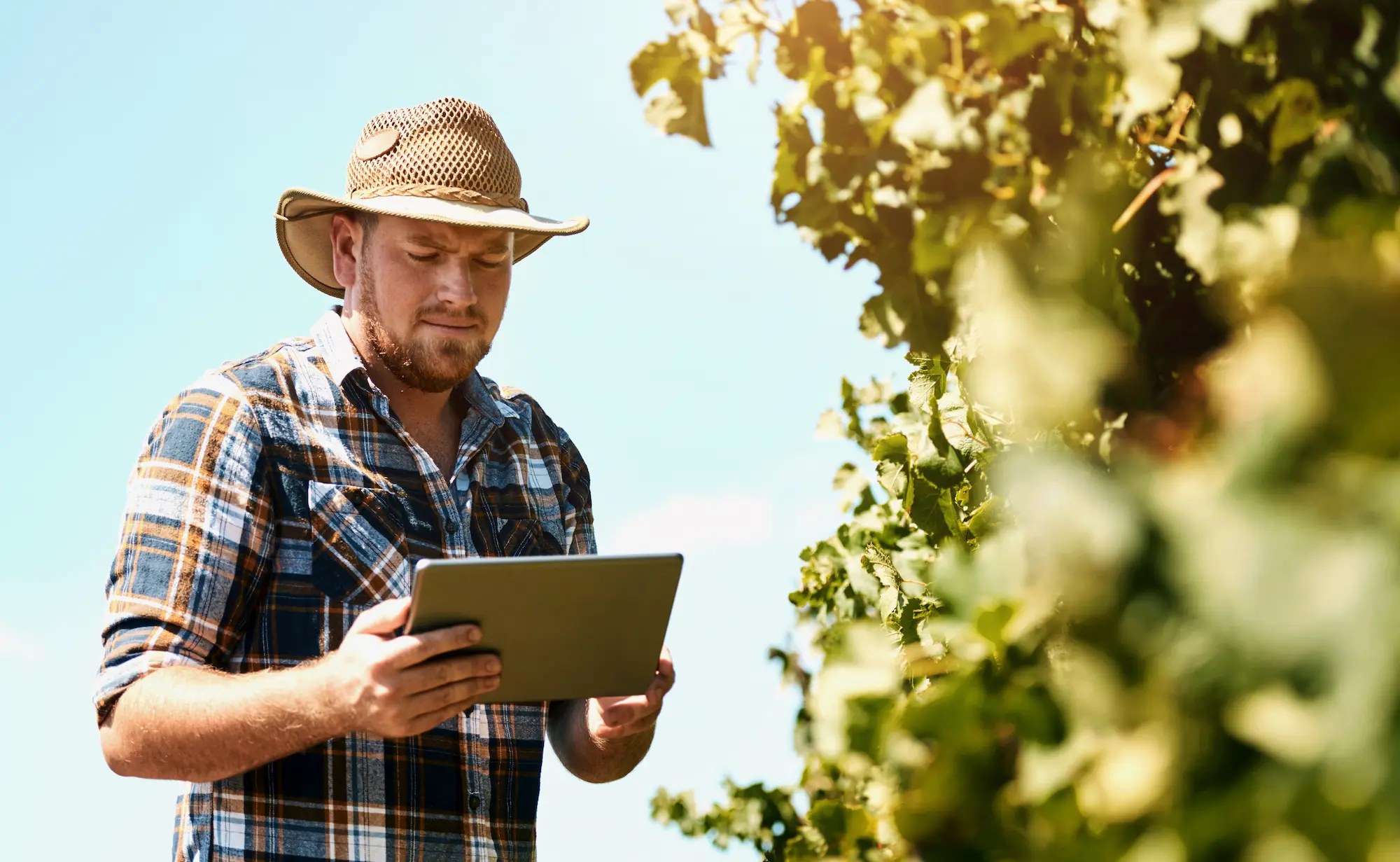
Learning should also become more practical through mobile Phygital Learning Labs, that combine physical and digital learning. Mobile training centres equipped with virtual reality, digital twins, and simulation technologies could bring advanced training directly to rural communities, allowing learners to practice using precision agriculture tools, IoT sensors, robotics, and circular production systems without disrupting company operations.
A great opportunity to strengthen cooperation across European regions is Industrial Symbiosis and Circular Economy international placements. Students, professionals, and SMEs could work together on real sustainability challenges, exchanging knowledge between agricultural regions, research centres, technology providers, and food companies. These exchanges would help transform waste into valuable resources while promoting innovation across the European food sector.
The transition towards sustainable food systems also depends on citizens and local communities. Consumers influence markets through their purchasing decisions, making public awareness and education essential for achieving the objectives of the Green Deal. Municipalities, schools, businesses, and civil society organisations can play an important role by creating Learning Hubs that promote responsible consumption, waste reduction, and circular economy practices. Practical workshops can help citizens understand food labels, carbon footprints, sustainable diets, and recycling systems. Citizen Science initiatives can also strengthen environmental monitoring by encouraging people to contribute information on biodiversity, pollinators, water quality, or climate impacts through simple digital applications. These initiatives generate valuable data while increasing environmental awareness.
Ultimately, Europe's food transition will require professionals who can work across disciplines rather than within isolated specialisations. Future experts must be able to combine knowledge of regenerative agriculture, digital technologies, industrial sustainability, circular economy principles, and environmental governance.
By redesigning education to become more integrated, practical, and collaborative, Europe can equip its workforce with the skills needed to accelerate the Green Deal and build a more resilient, innovative, and sustainable food system.